Heating System Installation and Replacement in Stockton, California
High-Efficiency Furnace Upgrades and Complete Heating Replacement
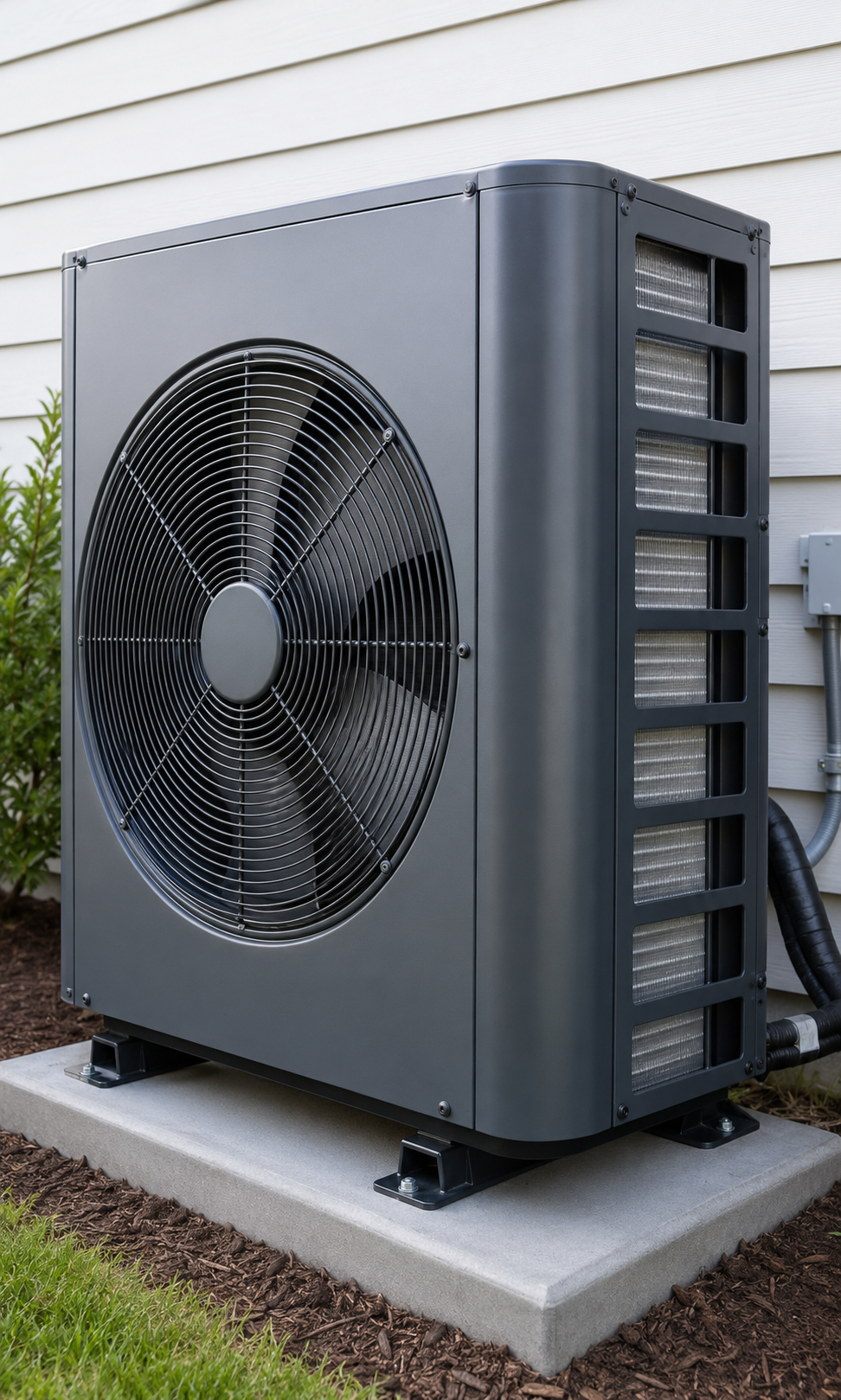
Upgrading to a new, energy-efficient heating system keeps your home warm while reducing monthly energy consumption throughout winter. Heating system installation and replacement replaces outdated or failing furnaces with modern gas furnaces, electric heating units, or heat pumps. We evaluate your home's square footage and heating demands to install a system that delivers steady, dependable warmth to every room.
Signs It Is Time to Replace Your Home Heating System
Recognizing when an aging heater reaches the end of its useful lifespan allows you to plan a system upgrade before complete equipment failure occurs.
Heating System Over 15 Years Old
Older furnaces lose heating efficiency over time, leading to higher fuel consumption and frequent mechanical breakdowns.
Constant and Costly Furnace Repairs
Spending money on ongoing heating repairs often costs more than investing in a dependable new heating unit.
Steadily Rising Heating Utility Bills
Declining system performance forces your furnace to burn more energy to maintain standard indoor temperatures.
Uneven Heating and Cold Spots
Struggling heating systems fail to circulate warm air evenly, leaving certain rooms noticeably cold.
Cracked Heat Exchanger Concerns
Structural damage to essential heating components poses safety risks and warrants immediate system replacement.
Our Heating Installation and Replacement Process
Home Heating Assessment
We assess your home layout, insulation levels, and ductwork setup to calculate your exact heating load requirements.
System Recommendation
We help you select an appropriately sized high-efficiency furnace or heat pump that aligns with your household needs and budget.
Professional Installation
Our technicians remove your old heating unit safely, install the new equipment, and secure gas lines, electrical wiring, and venting.
System Testing & Inspection
We perform complete operational and safety checks, verifying airflow temperature and showing you how to manage system controls.
Why Homeowners Choose Us for Heating Replacements
Customer First
Clear Communication
Licensed Technicians
Quality Workmanship
Experienced Care
Upfront Pricing
Prompt Response
Local Expertise
Warning Signs Your Heating Unit Needs Replacement
Heater requires multiple repairs every winter
Heating costs double without increased usage
Flame burner flickers yellow instead of steady blue
Unit struggles to keep home warm on cold days
Furnace makes loud rattling or banging noises
System is past its expected 15-year lifespan
Excess humidity indoors
Uneven cooling throughout the home
Deciding Between Furnace Repair and Heating System Replacement
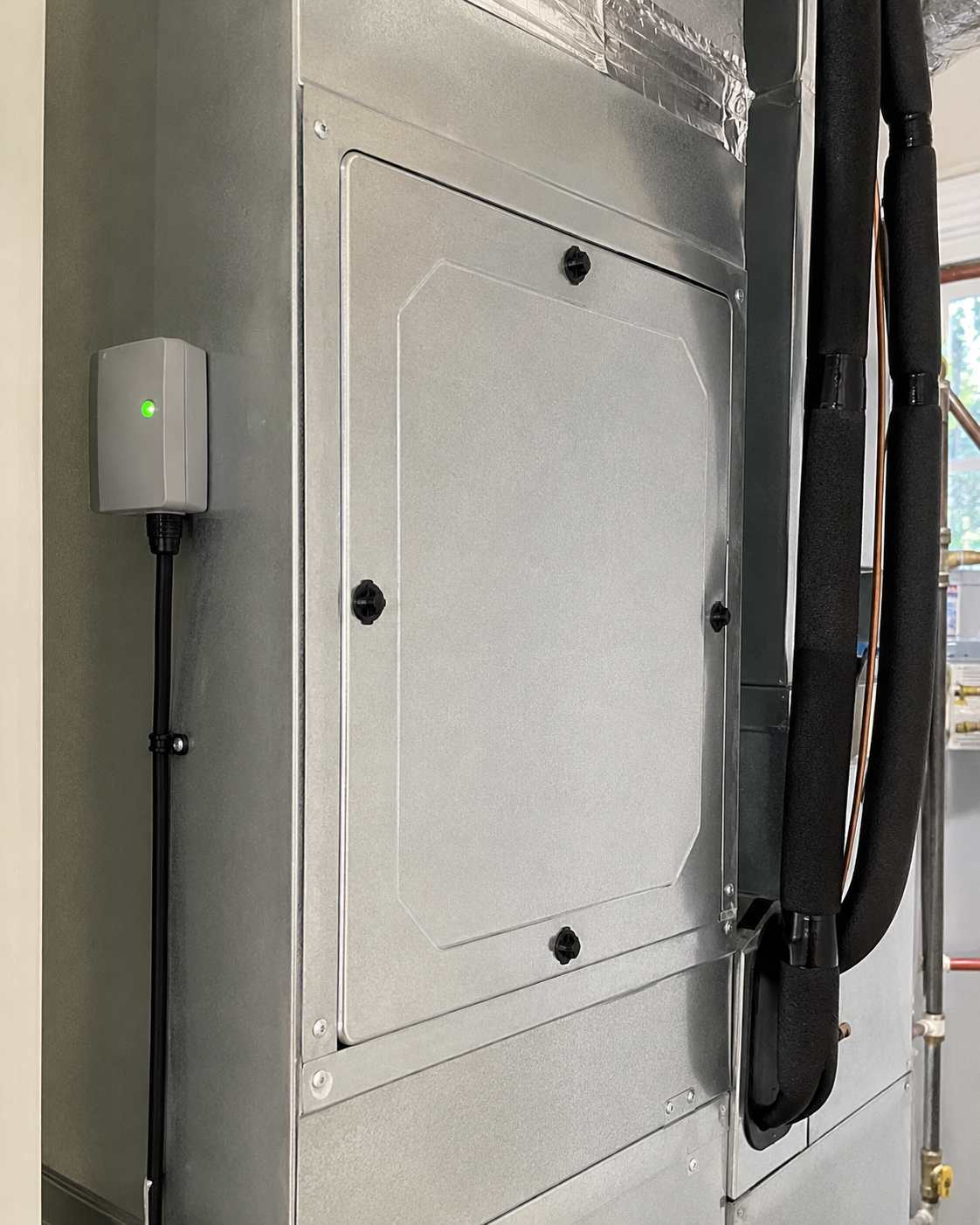
Choosing whether to keep repairing your current furnace or invest in a new heating system depends on system age and overall efficiency. While minor component repairs make sense for newer units, putting money into an aging furnace that breaks down regularly can quickly become an unnecessary expense. Upgrading to a modern high-efficiency heating unit provides consistent warmth, updated safety features, lower monthly utility bills, and long-term peace of mind during winter weather.
Frequently Asked Questions About Heating System Installation
How long does a new heating system installation usually take?
Most standard residential furnace replacements are completed within four to eight hours in a single day. Complex installations requiring duct modification or gas line updates may take slightly longer. Your technician will provide a clear timeline during your initial home assessment.
Should I install a gas furnace or a heat pump?
Choice depends on your home infrastructure and energy preferences. Gas furnaces deliver powerful heat during cold periods, while heat pumps provide both energy-efficient heating in winter and cooling in summer. We help evaluate your home setup to recommend the most practical option.
Will a new high-efficiency heating system lower my monthly gas or electric bills?
Yes, modern heating units carry higher AFUE efficiency ratings than systems installed 10 to 15 years ago. Converting fuel or electricity into heat more effectively allows new units to maintain steady indoor comfort while drawing less power during peak heating periods.
How do I know what size heating unit my home requires?
Heating capacity is determined using precise load calculations that evaluate your home square footage, insulation levels, window placement, and local winter temperatures. Proper sizing ensures your system warms your home evenly without short-cycling or overworking.
How long does a new residential furnace typically last?
A professionally installed furnace or heat pump generally lasts between 15 and 20 years when properly maintained. Changing air filters regularly and scheduling annual seasonal tune-ups helps preserve heating efficiency and extends unit service life.
What should I do to prepare my home for installation day?
Clear the path leading to your furnace or mechanical closet so technicians can move equipment safely. Clearing items away from outdoor unit spaces and keeping pets in quiet areas helps ensure a smooth and safe installation process from start to finish.